
Is your inbox currently an influx of promotional emails from a variety of fashion retailers? It seems that now more than ever, the ominous phrase ‘death of the high street’, seems like an inevitable possibility.
In the midst of COVID-19 talk of bankruptcy has begun to surface, as certain companies have announced store closures in a bid to salvage their brand, such as Cath Kidston, who have permanently closed all 60 stores in the UK. Whilst most retailers struggle to keep afloat during these unprecedented times it’s questionable whether iconic names such as Oasis and Warehouse will cease to exist. Primark have even announced a post lockdown sale, in an attempt to sell unsold stock worth up to £1.5 billion, as their monthly sales have gone from £650 million to £0.
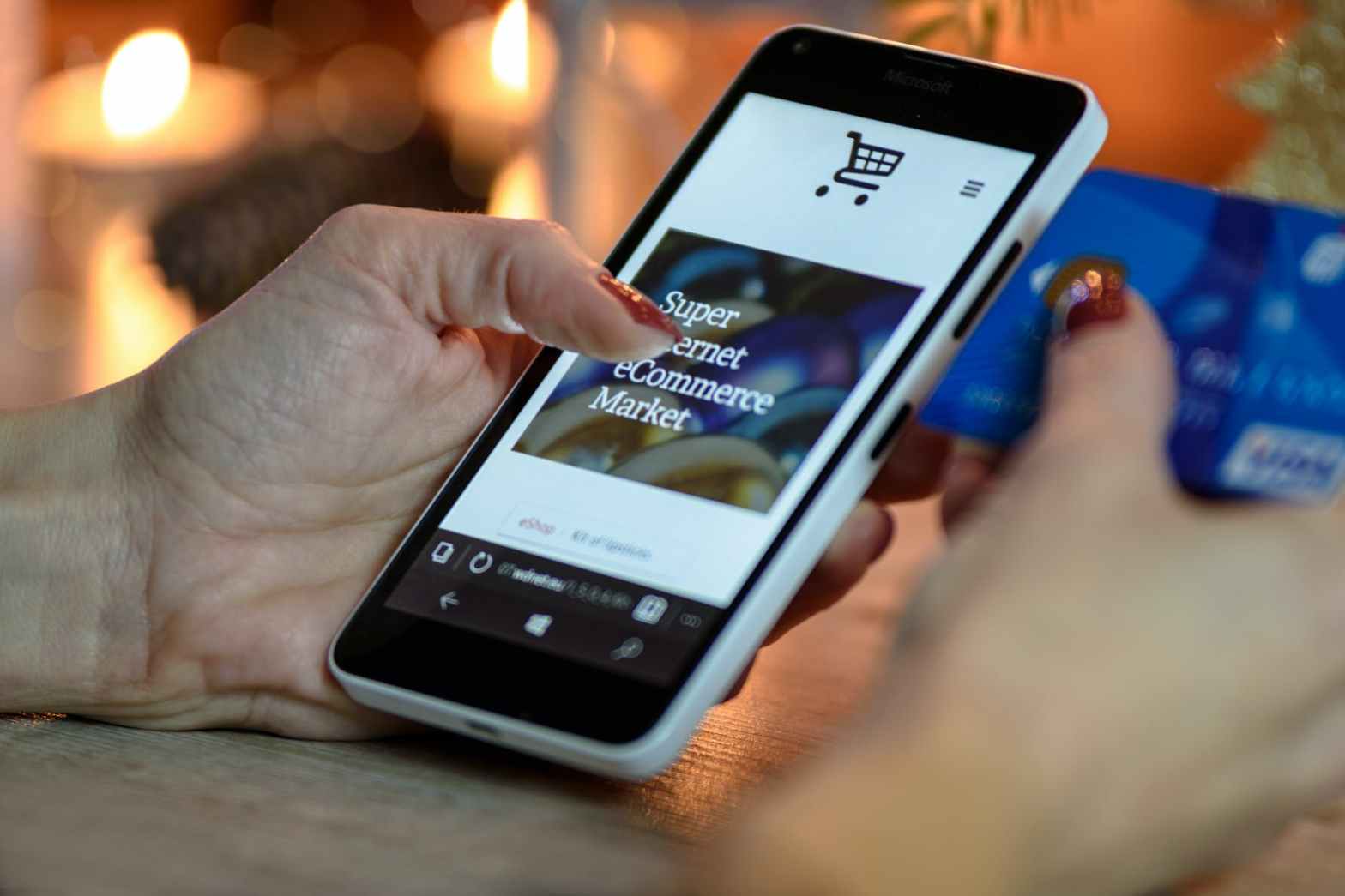
Whilst days of blissfully walking around shopping centres are temporarily on hold, many of us have confessed to online shopping splurges.
Despite more and more posts about online shopping circulating, opinions remain divided, as people argue that unnecessary purchases shouldn’t be made as it puts workers at risk.
David Mole, a 54 year old delivery driver has made the decision to not work during the pandemic, as he believes that his boss “has not handled COVID-19 well”.
He continued:
“It’s just sheer greed by business owners, I value life a lot more than unessential pizza and kebabs that I would be delivering on a daily basis”.
As the ability to make non-essential online purchases is legal, warehouses have also continued to operate to supply the demand for products.
A 22 year old Warehouse operative found that COVID-19 didn’t cause any disruption to his workplace:
“Everyone simply carried on as usual, but there were latex gloves available. Even though the business shouldn’t have been open, it was, and therefore I had no choice but to carry on working.”
Although the ethics of companies have been questioned when it comes to non-essential workers remaining at work, being able to make online purchases has allowed numerous businesses to adapt, and continue operating.
Based in Northern Island, Hope Macaulay creates and designs vibrant clothing and accessories, such as sustainable multi-coloured wool cardigans and graphic tee shirts.
The designer has found online ordering:
“a life saver for fellow fashion brands and I. It is how we are surviving right now!”
Amid the crisis, Macaulay explains:
“I’m receiving orders from my website, which I am very grateful for as it keeps me busy!”
There is no definitive answer as to whether we should be making frivolous purchases during this global crisis, as both decisions have positive and negative implications.
What you may not deem as essential, may be essential for somebody else.
 influence.fashion.blog